





Produzione di un alloggiamento leggero in magnesio
Dalla fusione del magnesio alla lavorazione di precisione fino all’alloggiamento finito.
Le leghe di magnesio offrono uno dei migliori rapporti resistenza/peso tra i metalli strutturali. Per questo motivo sono ampiamente utilizzate in applicazioni dove la riduzione del peso è importante, come componenti aerospaziali, apparecchiature portatili ed elettronica professionale.
Per questo progetto, Omnidex è stata incaricata di produrre un alloggiamento in magnesio di precisione per un dispositivo elettronico. Il componente richiedeva un controllo dimensionale accurato, una buona qualità superficiale e una struttura leggera ma rigida.
Sebbene il magnesio offra vantaggi importanti, richiede anche un’attenta pianificazione durante la produzione. Sia la fusione sia le lavorazioni meccaniche devono essere controllate correttamente per garantire una produzione sicura e costante.
Sfida ingegneristica
Il cliente richiedeva un alloggiamento che combinasse:
- peso molto ridotto
- buona rigidità strutturale
- caratteristiche di montaggio precise
- un aspetto finale di alta qualità
Dopo aver esaminato i requisiti di progetto, una lega di magnesio è stata selezionata come materiale più adatto.
Il magnesio offre un significativo risparmio di peso rispetto all’alluminio, mantenendo al contempo un’eccellente rigidità. Tuttavia, le leghe di magnesio devono essere gestite con attenzione durante la produzione, poiché il materiale si comporta in modo diverso rispetto ai metalli tecnici più comuni.
Per questo motivo, il processo produttivo ha dovuto essere pianificato con attenzione, dalla fase di attrezzaggio fino alla lavorazione finale e alla finitura.
Fusione del magnesio
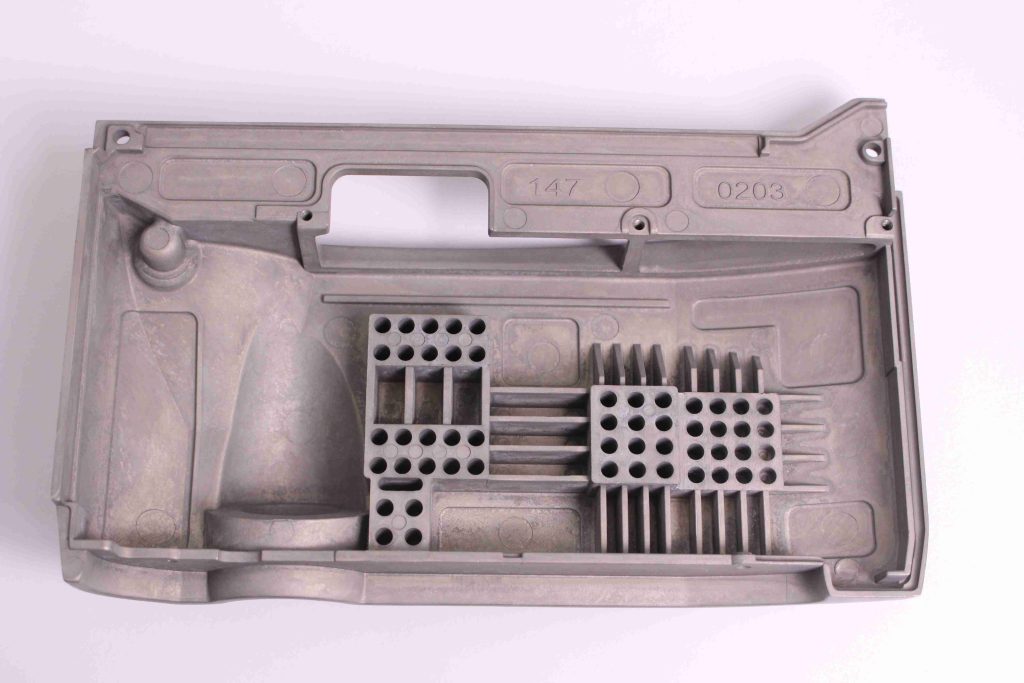
La prima fase della produzione è stata la realizzazione di un getto in magnesio per creare la geometria di base dell’alloggiamento.
La fusione ha consentito di integrare direttamente nella forma iniziale diverse caratteristiche, tra cui nervature, aperture e boss di fissaggio. Ciò ha ridotto la quantità di lavorazioni meccaniche successive e ha contribuito a mantenere la struttura leggera del componente.
La fusione del magnesio richiede condizioni di processo controllate e una gestione esperta. Omnidex ha collaborato con partner specializzati in fonderia per garantire che la lega fosse colata e raffreddata correttamente, ottenendo getti sani con buona stabilità dimensionale.
Il risultato è stato un getto in magnesio near-net-shape che ha fornito la base strutturale dell’alloggiamento.
Lavorazione di precisione
Sebbene la fusione abbia creato la forma complessiva del componente, diverse caratteristiche richiedevano tolleranze più strette di quelle ottenibili con la sola fusione.
Queste aree sono state completate tramite lavorazione CNC di precisione. Le operazioni includevano:
- foratura e maschiatura di fori filettati
- lavorazione di superfici critiche di montaggio
- realizzazione di elementi di allineamento accurati
La lavorazione del magnesio richiede un attento controllo delle condizioni di taglio e adeguate procedure di pulizia e sicurezza. Trucioli e particelle fini di magnesio devono essere gestiti correttamente per mantenere condizioni di lavoro sicure e una qualità di lavorazione costante.
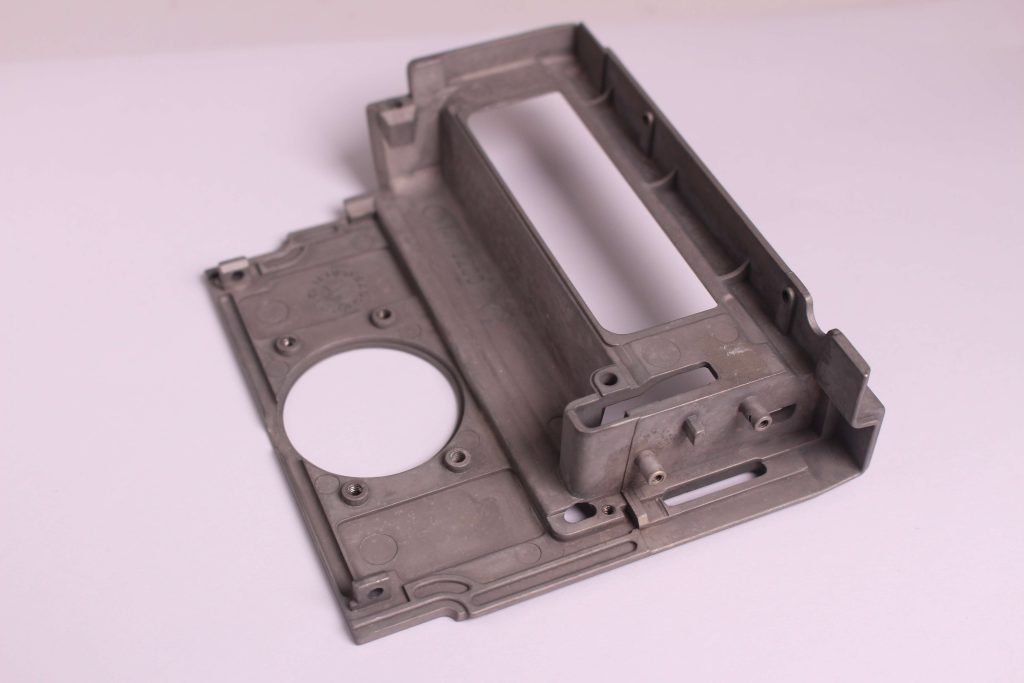
Attraverso processi di lavorazione controllati, i getti sono stati trasformati in componenti strutturali di precisione pronti per la finitura e l’assemblaggio.
Finitura e preparazione
Dopo la lavorazione, gli alloggiamenti sono stati sottoposti a pulizia e preparazione superficiale prima della finitura.
Il trattamento superficiale migliora sia l’aspetto sia la durata dei componenti in magnesio e contribuisce a proteggere il materiale durante l’utilizzo. Una corretta preparazione garantisce inoltre che tutte le caratteristiche lavorate restino pulite e pronte per l’assemblaggio.
In questa fase i componenti sono stati ispezionati per confermare la precisione dimensionale e la qualità complessiva.
Assemblaggio finale dell’alloggiamento
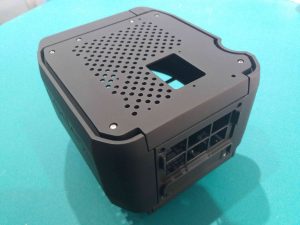
Una volta che i componenti in magnesio sono stati fusi, lavorati e rifiniti, l’alloggiamento ha potuto essere assemblato nella configurazione finale del prodotto.
L’alloggiamento completato ha fornito una struttura leggera ma rigida, in grado di supportare i componenti elettronici interni. Il progetto finale ha combinato resistenza strutturale e peso ridotto, migliorando l’usabilità del dispositivo finito.

Capacità ingegneristica
I progetti che coinvolgono componenti in magnesio richiedono un attento controllo dei processi e partner produttivi esperti. Dall’attrezzaggio e fusione fino alla lavorazione e finitura, ogni fase deve essere gestita correttamente per ottenere una produzione affidabile.
Grazie alla sua rete di produttori specializzati e partner ingegneristici, Omnidex è in grado di supportare progetti che coinvolgono materiali complessi e requisiti produttivi impegnativi.